On 13 July 2022, the US Bureau of Labor Statistics reported that the Consumer Price Index (CPI) rose 9.1% over the 12 months ending June 2022, the largest annual increase since November 1981. The figure exceeded economists' expectations and represented the peak of the post-pandemic inflation surge.
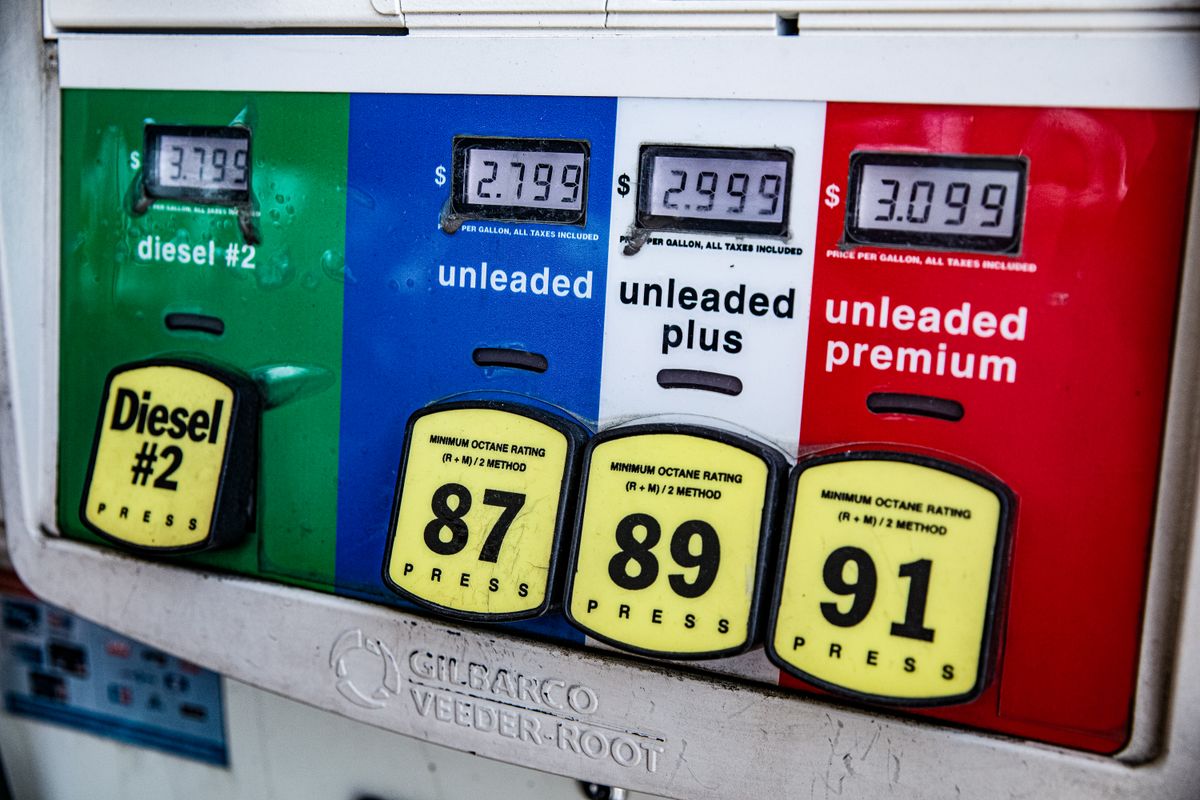
Energy prices were the primary driver, with the energy index rising 41.6% year-over-year. Gasoline prices alone increased 59.9%, reflecting the impact of the Russia-Ukraine conflict on global energy markets. Food prices rose 10.4%, the largest 12-month increase since 1981.
Core inflation, which excludes food and energy, rose 5.9% year-over-year, indicating that price pressures were broad-based rather than confined to volatile components. Shelter costs, which account for approximately one-third of the CPI basket, continued to accelerate.
The data effectively sealed the case for a 75-basis-point rate increase at the Federal Reserve's July meeting, a move that had been considered unlikely just weeks earlier. The Fed ultimately raised rates by 75 basis points on 27 July 2022, the second consecutive increase of that magnitude.
For investors, the inflation peak represented a pivotal moment. Real returns on fixed-income investments turned deeply negative, prompting a reassessment of portfolio allocations. Equities declined sharply in the first half of 2022, with the S&P 500 falling into bear market territory. The episode reinforced the importance of considering inflation risk in long-term financial planning and the potential role of diversified allocations in preserving purchasing power.
Source: US Bureau of Labor Statistics
This article is an original Glen Elgin Investments summary and analysis based on publicly reported facts. It does not reproduce the source article. Glen Elgin Investments is not the original publisher of the underlying news event.
Investment decisions require more than an understanding of what is happening in the market today. This article examines the subject matter, explaining the key considerations investors should understand and the risks that may accompany the opportunity. The objective is to provide useful context and help readers form a more informed view.
 Central Banks