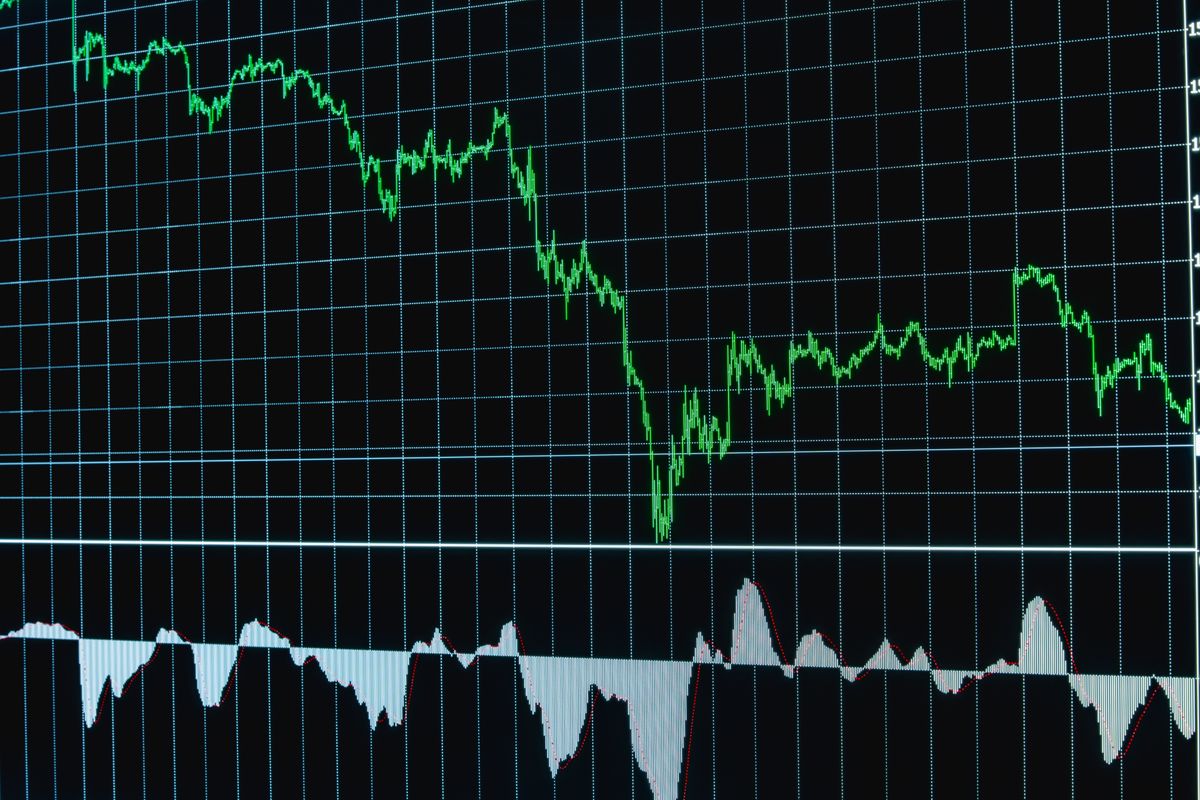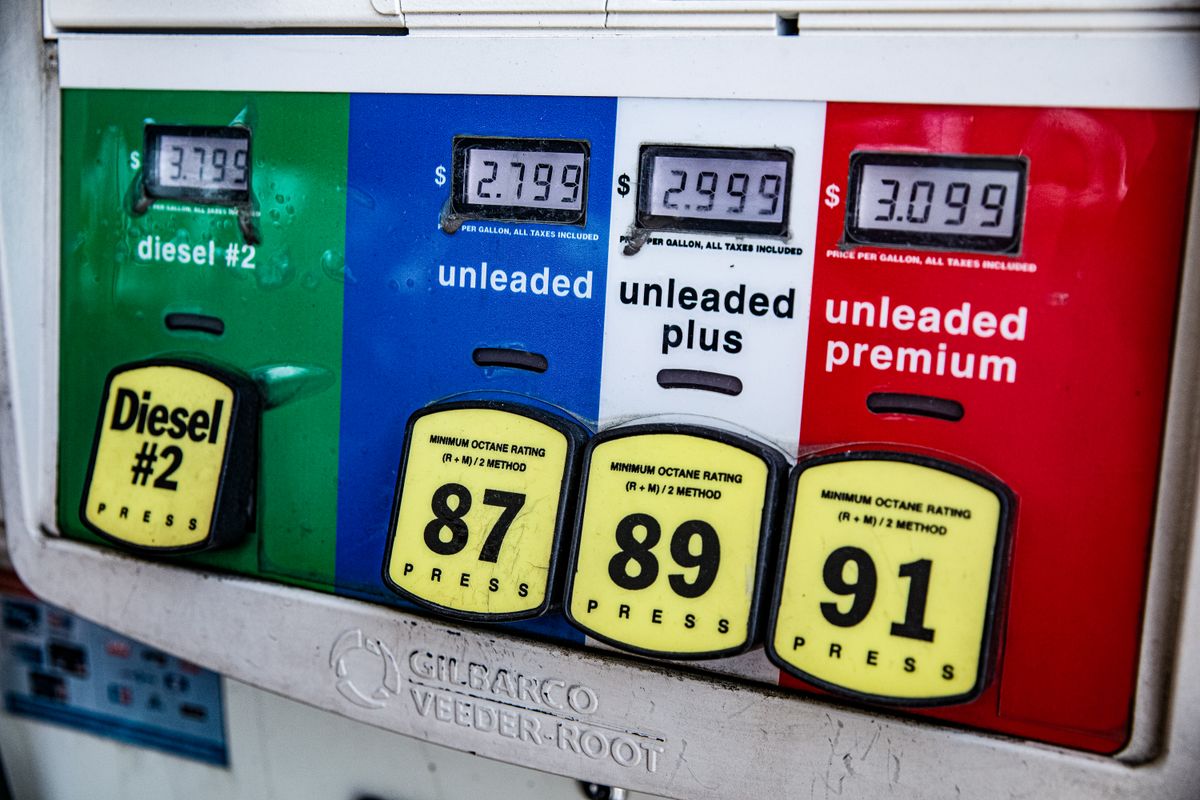
Following Russia's invasion of Ukraine on 24 February 2022, Brent crude oil prices surged to approximately USD 139 per barrel on 7 March 2022, the highest level since 2008. The spike reflected immediate concerns about supply disruptions from Russia, then the world's second-largest crude oil exporter.
The United States announced a ban on Russian oil imports on 8 March 2022, and the United Kingdom committed to phasing out Russian oil by the end of 2022. While the European Union initially stopped short of an outright ban, it progressively reduced dependence on Russian energy throughout 2022 and 2023.
The energy shock had cascading effects across the global economy. Rising fuel costs contributed to inflationary pressures that were already building from pandemic-era supply chain disruptions. The International Energy Agency warned of a potential supply shortfall of 3 million barrels per day and member states agreed to release 60 million barrels from strategic reserves.
Oil prices subsequently retreated from their peak as demand concerns grew and additional supply entered the market, but remained elevated throughout 2022. The episode demonstrated how geopolitical events can rapidly reshape commodity markets and highlighted the energy security concerns that have since accelerated investment in renewable energy and electrification.
For investors, the oil price surge illustrated the importance of geographic and sectoral diversification. Energy-related equities and commodities can provide a hedge against inflation but carry their own volatility. Investors should consider how energy exposures fit within their broader portfolio and risk appetite.
Source: Bloomberg
This article is an original Glen Elgin Investments summary and analysis based on publicly reported facts. It does not reproduce the source article. Glen Elgin Investments is not the original publisher of the underlying news event.
Investment decisions require more than an understanding of what is happening in the market today. This article examines the subject matter, explaining the key considerations investors should understand and the risks that may accompany the opportunity. The objective is to provide useful context and help readers form a more informed view.
 Global Economy