 Markets
Silicon Valley Bank Collapse Triggers Regional Banking Turmoil
The failure of Silicon Valley Bank on 10 March 2023 became the second-largest bank failure in US history and sent shockwaves through global financial markets.
Central Banks
In June 2023, the Federal Reserve held rates steady for the first time since March 2022, signalling a potential shift in monetary policy after the most aggressive tightening cycle in decades.
By Glen Elgin Editorial
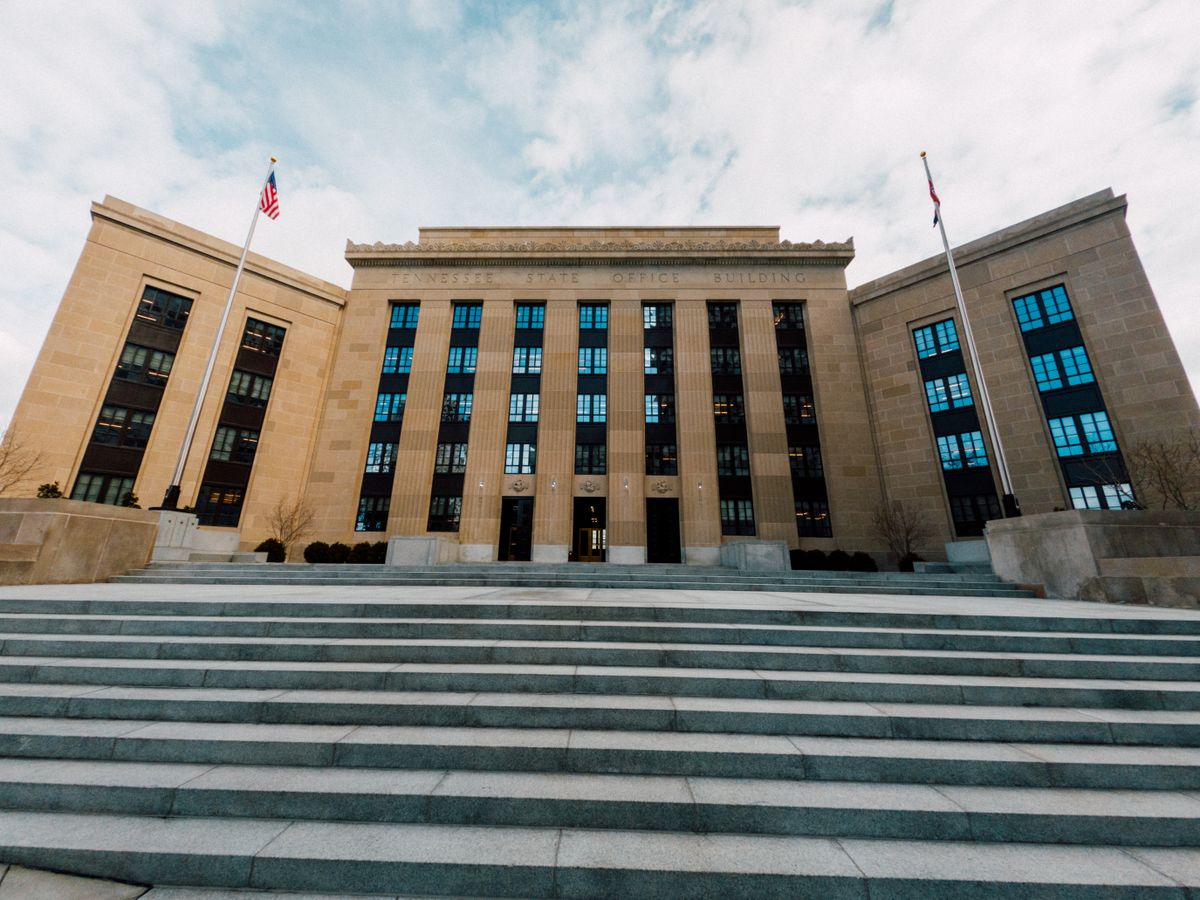
On 14 June 2023, the Federal Open Market Committee (FOMC) voted unanimously to maintain the target range for the federal funds rate at 5.00-5.25%, pausing a cycle that had seen ten consecutive rate increases dating back to March 2022. The decision marked the first time the Fed had held rates steady since it began tightening.
The pause did not signal the end of the tightening cycle. The Fed's Summary of Economic Projections indicated that most committee members expected at least two additional 25-basis-point rate increases by the end of 2023. Chair Jerome Powell emphasised that the decision to skip a hike was a moderation of pace, not a definitive stop.
The tightening campaign had been the fastest since the early 1980s. The federal funds rate had risen from near zero in March 2022 to above 5%, a level not seen since before the 2008 financial crisis. The objective was to bring inflation down from a peak of 9.1% in June 2022 toward the Fed's 2% target.
By June 2023, headline inflation had declined to 4.0%, but core inflation, which excludes food and energy, remained sticky at 5.3%. The labour market had shown signs of gradual cooling, with nonfarm payroll growth averaging approximately 283,000 per month in the first half of 2023, down from over 400,000 in 2022.
For fixed-income investors, the pause introduced the question of whether peak rates had been reached. The yield curve remained inverted, with short-term yields above long-term yields, a historically reliable if imperfect recession signal. Investors holding or considering fixed-term investments needed to weigh the potential for rates to remain higher for longer against the possibility of cuts in subsequent quarters.
Source: Federal Reserve
This article is an original Glen Elgin Investments summary and analysis based on publicly reported facts. It does not reproduce the source article. Glen Elgin Investments is not the original publisher of the underlying news event.
Investment decisions require more than an understanding of what is happening in the market today. This article examines the subject matter, explaining the key considerations investors should understand and the risks that may accompany the opportunity. The objective is to provide useful context and help readers form a more informed view.
Markets
The failure of Silicon Valley Bank on 10 March 2023 became the second-largest bank failure in US history and sent shockwaves through global financial markets.
 Global Economy
The Consumer Price Index rose 9.1% year-over-year in June 2022, the highest inflation rate in four decades, intensifying pressure on the Federal Reserve to accelerate rate increases.
 Technology
In June 2024, Nvidia briefly overtook Microsoft to become the world's most valuable publicly traded company, capping a remarkable ascent driven by insatiable demand for AI chips.